
TARP برای پوشش کامیون




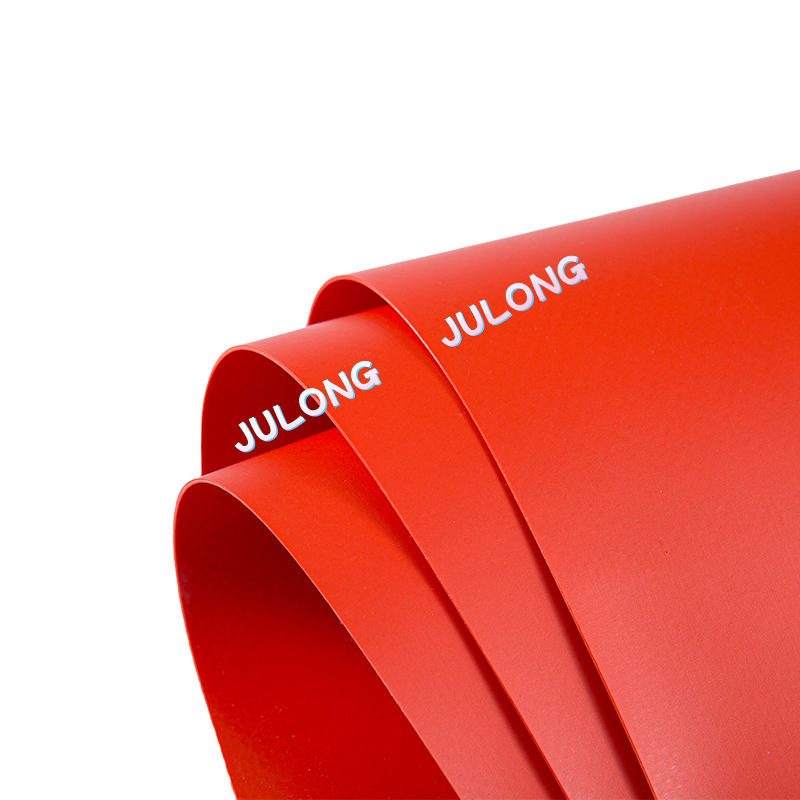
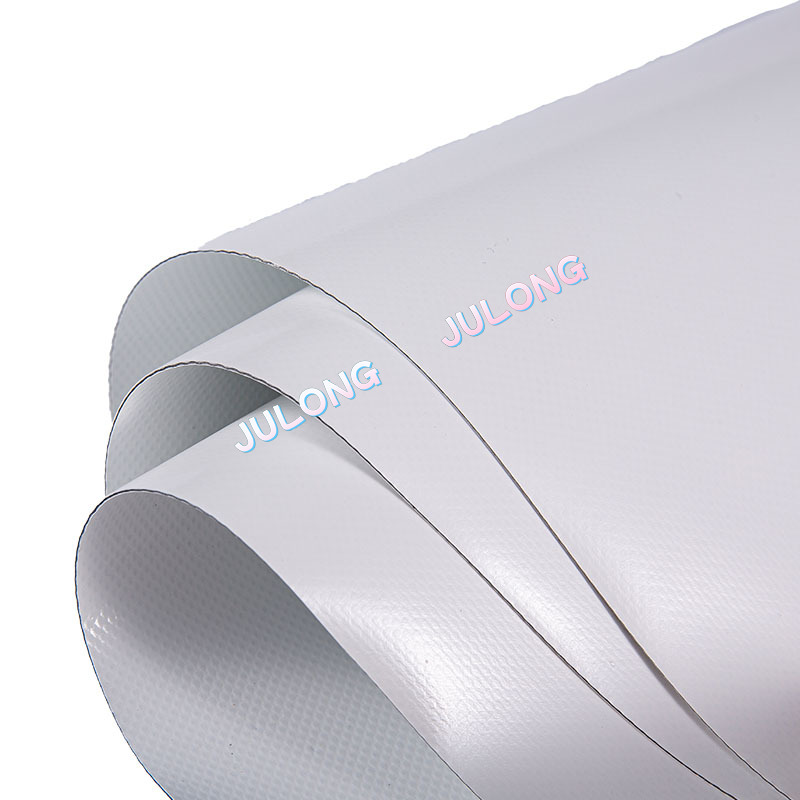
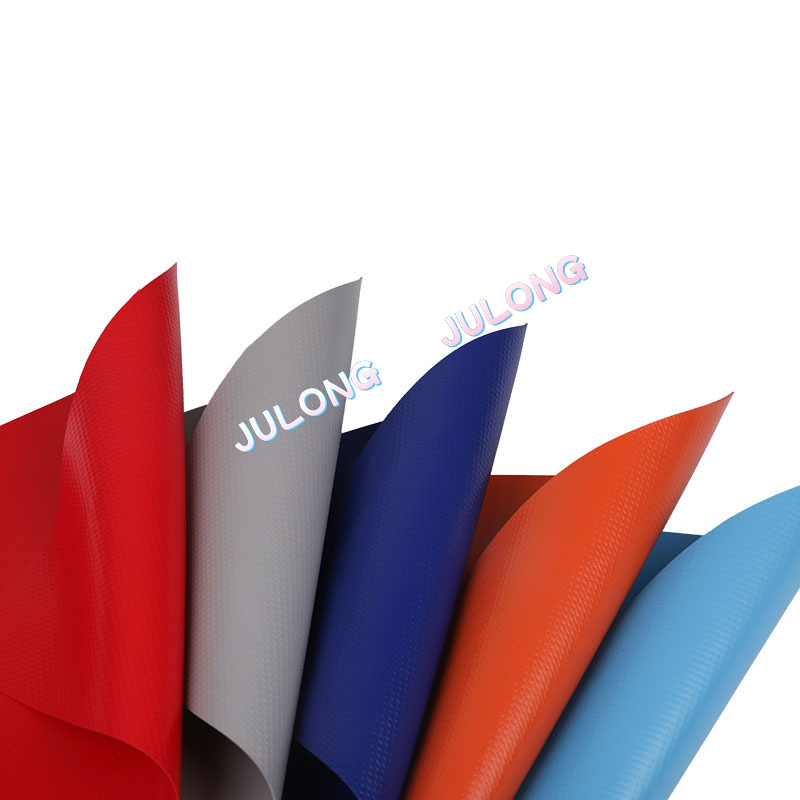
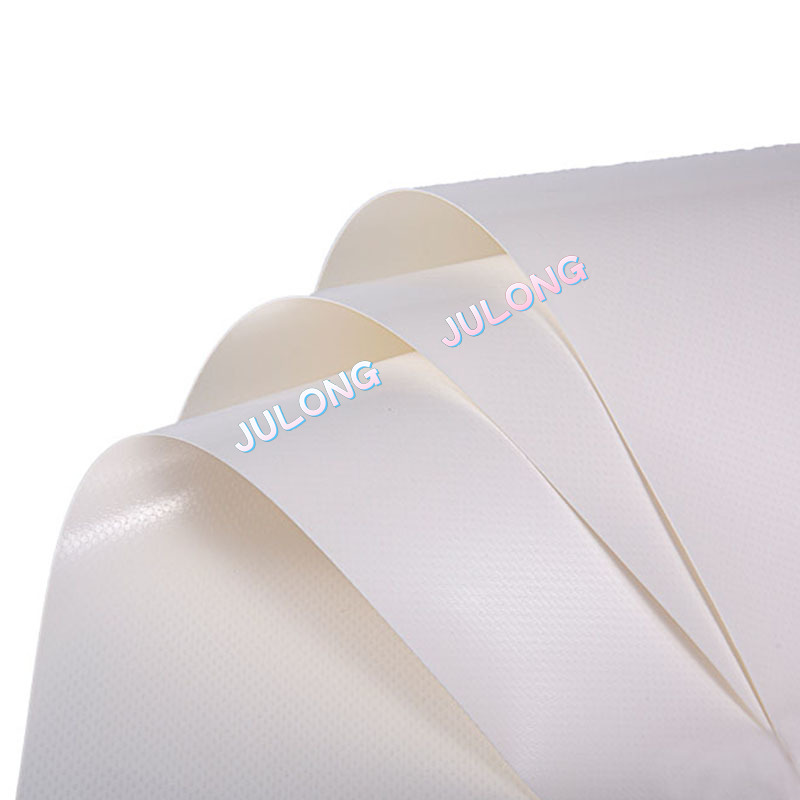
هنگامی که صحبت از محافظت از حمل و نقل در تریلرهای تخت، تریلرهای روی عرشه و کانتینرهای روباز می شود، برزنت های پلی استر به ماده غالب در صنعت حمل و نقل و باربری تبدیل شده اند. دلایل آن عملی است: پلی استر ترکیبی از استحکام کششی، مقاومت در برابر اشعه ماوراء بنفش، جذب آب کم و پایداری ابعادی طولانی مدت را ارائه می دهد که مواد رقیب مانند بوم، برزنت های بافته شده با پلی پروپیلن یا نایلون پوشش داده شده با وینیل برای مطابقت با وزن و قیمت یکسان تلاش می کنند. یک برزنت باری پلی استر که به درستی مشخص شده باشد، بارها را در طول هزاران مایل و چندین فصل استفاده، خشک، ایمن و مطابق با قوانین ایمن سازی محموله DOT نگه می دارد.
فیبر پلی استر خود یک پلیمر مصنوعی است - پلی اتیلن ترفتالات (PET) - که ذاتاً در برابر جذب رطوبت مقاوم است (کمتر از 0.4 درصد وزن خود را در آب در معرض قرار گرفتن طولانیمدت جذب میکند)، مانند الیاف طبیعی پوسیده یا کپک نمیزند و استحکام و شکل دما را در طیف وسیعی حفظ میکند. هنگامی که پلی استر در یک پارچه پایه با استحکام بالا بافته می شود و روی هر دو صورت با PVC یا پلی اورتان پوشانده می شود، به یک ماده برزنتی تبدیل می شود که قادر به مدیریت استرس مکانیکی، قرار گرفتن در معرض آب و هوا و نیازهای استقرار مکرر عملیات حمل و نقل تجاری است.
درک ساخت و ساز a برزنت باری پلی استر توضیح می دهد که چرا مشخصات بین محصولات به طور قابل توجهی متفاوت است و چرا انتخاب مشخصات مناسب برای برنامه شما اهمیت دارد. یک برزنت پلی استر با کیفیت یک ماده واحد نیست - یک سیستم ترکیبی با یک لایه پایه بافته شده و یک یا چند پوشش کاربردی است.
پارچه پایه از نخ های پلی استر با استحکام بالا بافته شده است که وزن و استحکام نخ بر حسب دنیر اندازه گیری می شود - جرم 9000 متر از یک فیبر واحد بر حسب گرم. پارچه های پایه برزنتی باری معمولی از نخ های پلی استر 600D، 900D یا 1000D استفاده می کنند. نخ های دنیر بالاتر، نخ های ضخیم تر و قوی تری تولید می کنند که به مقاومت در برابر پارگی و سوراخ شدن بیشتر کمک می کند. تراکم بافت که به صورت تعداد نخ در هر اینچ در جهت تار و پر بیان می شود (به عنوان مثال 18×18 یا 20×20)، تعیین می کند که نخ چقدر محکم در هم قفل شده است و مستقیماً بر مقاومت پارچه در برابر لغزش نخ تحت بار تأثیر می گذارد. برای بارهای سنگین مانند کلاف های فولادی، الوار یا ماشین آلات، پارچه 1000D با بافت 18×18 تنگ یا متراکم تر توصیه می شود. برای حمل و نقل عمومی سبک تر، 600D در 14×14 اغلب کافی است.
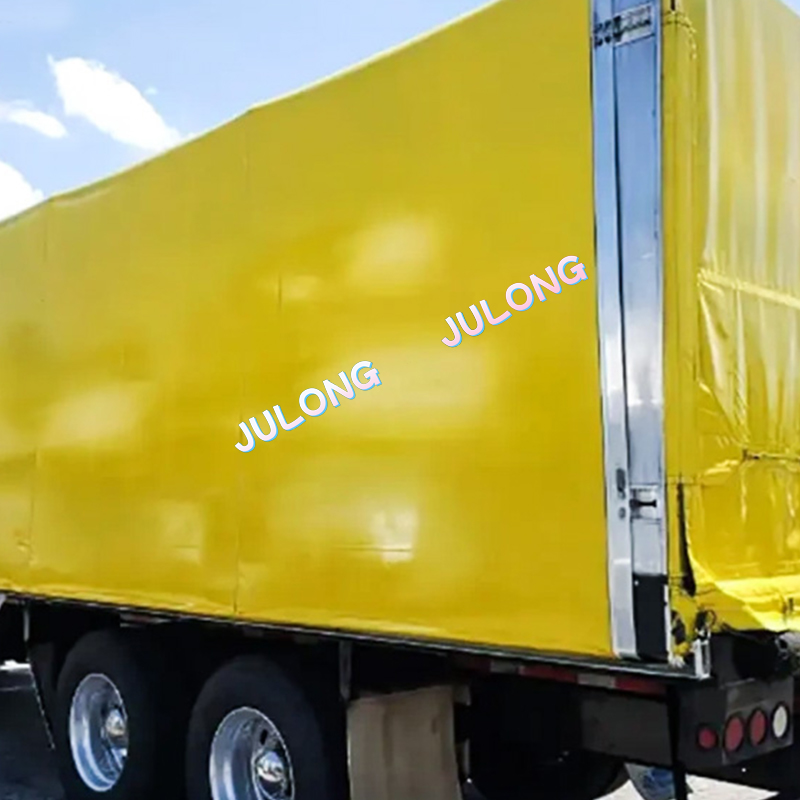
اکثر برزنت های پلی استر تجاری برای استفاده در تریلر با ترکیب پی وی سی کلندری یا چاقو رول در دو طرف پارچه پایه پوشانده شده اند. وزن پوشش - معمولاً بر حسب گرم بر متر مربع (gsm) یا اونس در یارد مربع بیان می شود - ضخامت مانع ضد آب و مقاومت سایشی سطح برزنت تمام شده را تعیین می کند. وزن کل تمام شده برای برزنت های تریلر معمولاً از 400 گرم در متر (برای برزنت های چوبی سبک تر) تا 680 گرم در متر یا بیشتر (برای برزنت های فولادی سنگین) متغیر است. پوشش باید در بافت نفوذ کند و از نظر شیمیایی به الیاف پلی استر بچسبد. پوششی که فقط روی سطح بدون نفوذ کافی پارچه قرار می گیرد، در اثر خم شدن، به خصوص در هوای سرد، لایه لایه می شود.
لبه های تمام شده یک برزنت پلی استر تا می شود و با گرما جوش داده می شود یا دوخته می شود تا یک سجاف تقویت شده - معمولاً به عرض 1.5 تا 2 اینچ - ایجاد شود که به جای متمرکز کردن آنها در نقاط منفرد، نیروهای اتصال را در امتداد محیط برزنت توزیع می کند. گیره های فولادی با روکش برنجی یا روی در فواصل 18 تا 24 اینچی در امتداد چهار ضلع و در گوشه ها قرار می گیرند، با تکه های تقویت کننده اضافی (مثلث های پارچه ای لایه ای اضافی) که در زیر هر گوشه ای که غلظت تنش بالاترین است، چسبانده می شود. برزنتهای سنگین برای بارهای فولادی یا لولهای اغلب به ضمیمههای حلقه D و پانلهای تقویتکننده اضافی گوشهها اضافه میکنند تا زنجیرهها و تسمههای چسبنده تنیده را بدون پارگی در خود جای دهند.
صنعت حمل و نقل باربری، برزنت های باری پلی استر را در درجه اول بر اساس نوع باری که برای پوشش طراحی شده اند، دسته بندی می کند. هر نوع دارای ابعاد، مشخصات وزنی و جزئیات لبهای است که متناسب با دسته محموله مورد نظر خود است.
برزنت های چوبی رایج ترین برزنت های پلی استری در حمل و نقل باربری تخت هستند. آنها بزرگ هستند - معمولاً 24 فوت عرض و 27 فوت طول به عنوان یک اندازه استاندارد، با اضلاع 8 فوت در هنگام تا شدن - طراحی شده اند تا روی الوارهای انباشته، مصالح ساختمانی یا محموله های عمومی بپوشانند و هم قسمت بالایی و هم دو طرف بار را تا عرشه تریلر پوشش دهند. برزنت های چوبی از نظر وزن پارچه (معمولاً 400 تا 500 گرم در متر) نسبت به برزنت های فولادی سبک تر هستند زیرا بارهایی که می پوشند دارای سطوح منظم و صافی هستند که برزنت را ساییده نمی کنند. آنها تا می شوند و در کیسه های برزنتی که در جلوی تریلر آویزان شده اند، در صورت عدم استفاده نگهداری می شوند.
برزنت های فولادی نسبت به برزنت های چوبی کوچکتر، سنگین تر و در برابر سایش مقاوم تر هستند و برای پوشاندن بارهای کلاف فولادی، ورق فلزی، صفحه، استوک میله ای یا اشکال ساختاری طراحی شده اند. ابعاد یک برزنت فولادی استاندارد تقریباً 20 فوت در 20 فوت است و از پارچه سنگینتر - وزن نهایی 600 تا 680 گرم در متر - با گوشههای تقویتشده، حفرههای سنگین و گاهی اوقات جیبهای زنجیرهای در امتداد لبهها برای جلوگیری از بلند شدن باد در طول حمل و نقل ساخته شده است. از آنجایی که بارهای فولادی دارای لبههای تیز و سطوح ناهموار هستند، برزنتهای فولادی باید ساییدگی قابل توجه در تماس نقطهای را تحمل کنند و اغلب با پوششهای ضد سایش درمان میشوند یا دارای لنتهای خراشدار هستند که در قسمتهای زیرین خود در نواحی تماس قرار دارند.
برزنتهای دودی (که به آن برزنت تاکسی یا برزنت تاکسی نیز گفته میشود) روکشهای پلی استری کوچکی هستند - معمولاً 6 تا 7 فوت عرض و 6 تا 8 فوت طول دارند - که در قسمت جلوی بار و ناحیه بین سر کابین و ردیف اول محموله قرار میگیرند. آنها هم از جلوی بار و هم از بالای کابین در برابر دوده اگزوز و آلودگی جاده در حین حمل و نقل محافظت می کنند. اگرچه اندازه آنها کوچک است، اما جابجایی مکرر آنها را می بینند و باید از پلی استر با پوشش PVC با کیفیت مشابه با برزنت های حمل و نقل با اندازه کامل ساخته شوند.
جدول زیر تفاوت های کلیدی مشخصات بین انواع برزنت پلی استری که معمولاً در برنامه های حمل و نقل تریلر استفاده می شود را خلاصه می کند:
| نوع تارپ | اندازه معمولی | وزن پارچه | منکر | استفاده اولیه |
| چوب برزنت | 24 × 27 دقیقه (8 دقیقه قطره) | 400-500 گرم در متر | 600D–900D | الوار، مصالح ساختمانی |
| برزنت فولادی | 20 × 20 دقیقه | 600-680 گرم در متر | 1000D | کویل فولادی، صفحه، لوله |
| دود / تاکسی برزنت | 6′-7′ × 6′-8′ | 400-500 گرم در متر | 600D | محافظ کابین و بار جلو |
| برزنت تخت سنگین | 20 × 30 یا سفارشی | 680 گرم | 1000D | حمل و نقل صنعتی سنگین |
همه برزنت های پلی استر با استاندارد یکسانی تولید نمی شوند و بازار شامل محصولاتی از برزنت های حرفه ای حمل و نقل تا روکش های سبک است که با توضیحات مشابه به بازار عرضه می شوند. ارزیابی ویژگیهای زیر کمک میکند تا برزنت را که در استفاده تجاری مقاوم میشود از نمونهای که پیش از موعد از کار میافتد تشخیص دهد:
حتی باکیفیت ترین برزنت پلی استر نیز در صورت نگهداری یا نگهداری بی احتیاطی، زود فرسوده می شود. رانندگان تخت مسطح تجاری معمولاً انتظار دارند دو تا پنج سال خدمات از یک برزنت چوبی با کیفیت و یک تا سه سال از یک برزنت فولادی با توجه به بارهای ساینده بیشتر مورد استفاده قرار گیرند. این انتظارات از عمر خدماتی فرض میکند که شیوههای مدیریت صحیح به طور مداوم دنبال میشوند.
هنگام استقرار برزنت ها روی بارها، از کشیدن آنها روی لبه های تیز بار یا عرشه ناهموار تریلر خودداری کنید - به جای کشیدن روی سطوح، آن را بلند کنید و قرار دهید. قبل از رسیدن به سرعت بزرگراه، همه گیره ها را با طناب های بانجی، تسمه های برزنتی یا طناب ها محکم کنید. یک برزنت که آزادانه با سرعت 65 مایل در ساعت تکان میخورد، نیروی کافی برای پاره کردن گرهها و در نهایت خرد کردن پارچه در امتداد سجاف ایجاد میکند. اطمینان حاصل کنید که برزنت به طور یکنواخت کشیده شده است تا آب به طرفین ریخته شود و جمع نشود - آب ایستاده روی یک قسمت برزنت صاف وزن و استرس قابل توجهی را اضافه می کند و در شرایط یخبندان می تواند پارچه را منبسط کرده و شکاف دهد.
پس از استفاده، زباله ها را تکان دهید و اجازه دهید تارپ قبل از تا کردن و نگهداری خشک شود - تا کردن یک برزنت مرطوب و گذاشتن آن در یک کیسه در بسته باعث رشد کپک حتی روی مواد مصنوعی می شود و شن به دام افتاده به عنوان یک ساینده بین لایه های تا شده عمل می کند. برزنت ها را در مکانی خنک و سایه دار و دور از تابش مستقیم خورشید در زمانی که استفاده نمی کنید نگهداری کنید، زیرا قرار گرفتن طولانی مدت در معرض اشعه ماوراء بنفش حتی روی یک برزنت ذخیره شده و تا شده، پوشش PVC را سریعتر از استفاده فعال در مزرعه تخریب می کند. بعد از هر بار رفت و آمد، گیره ها، گوشه ها و درزها را بررسی کنید و پارگی های کوچک یا لبه های لایه بردار را بلافاصله با نوار تعمیر برزنت یا کیت های چسب سیمان تماسی تعمیر کنید، قبل از اینکه آسیب جزئی در اواسط مسیر تبدیل به یک شکست برزنت شود.
برزنت های پلی استر تنها گزینه برای محافظت از محموله تریلر نیستند و درک نحوه مقایسه آنها با جایگزین های بوم و وینیل به تأیید اینکه آیا پلی استر برای یک عملیات خاص انتخاب مناسبی است یا خیر کمک می کند.
برای اپراتورهایی که حمل و نقل تجاری ثابت را روی تریلرهای تخت یا روباز انجام میدهند، سرمایهگذاری روی برزنتهای پلیاستری با روکش PVC مشخص شده - متناسب با نوع محموله، آب و هوا و دفعات استفاده - مقرونبهصرفهترین تعادل حفاظت از محموله، رعایت مقررات و عمر مفید کل مواد برزنتی موجود را فراهم میکند. $.
همکاری برنده با جدید و قدیمی مشتریان ، آینده را ایجاد کنید.

شماره 9 ، خیابان زینگانگ ، شهر نینگگوو ، استان آنهوی ، چین.


+86 15397280550
Copyright © شرکت فناوری جدید Anhui Longsheng ، Ltd. تولید کنندگان مواد غشایی معماری تأمین کننده پارچه ضد آب PVC در فضای باز $ $
